What Travel Taught Me About Money
Money comes and goes — it is impermanence. Guard the bright light at the center of your chest.
Travel has a way of shaking loose everything fragile in a worldview. What is ancient and close to truth stands out more vividly; what is mere illusion dissolves in the wind and rain of unfamiliar places.
Money seems indispensable wherever you go — yet its emotional weight changes dramatically from one landscape to the next.
Ningbo & Qinghai: Where the Story Softened
I grew up in Ningbo, a city steeped in commerce. For my parents’ generation, the pain of scarcity ran bone-deep, and that urgent hunger for financial security left its imprint on me too.
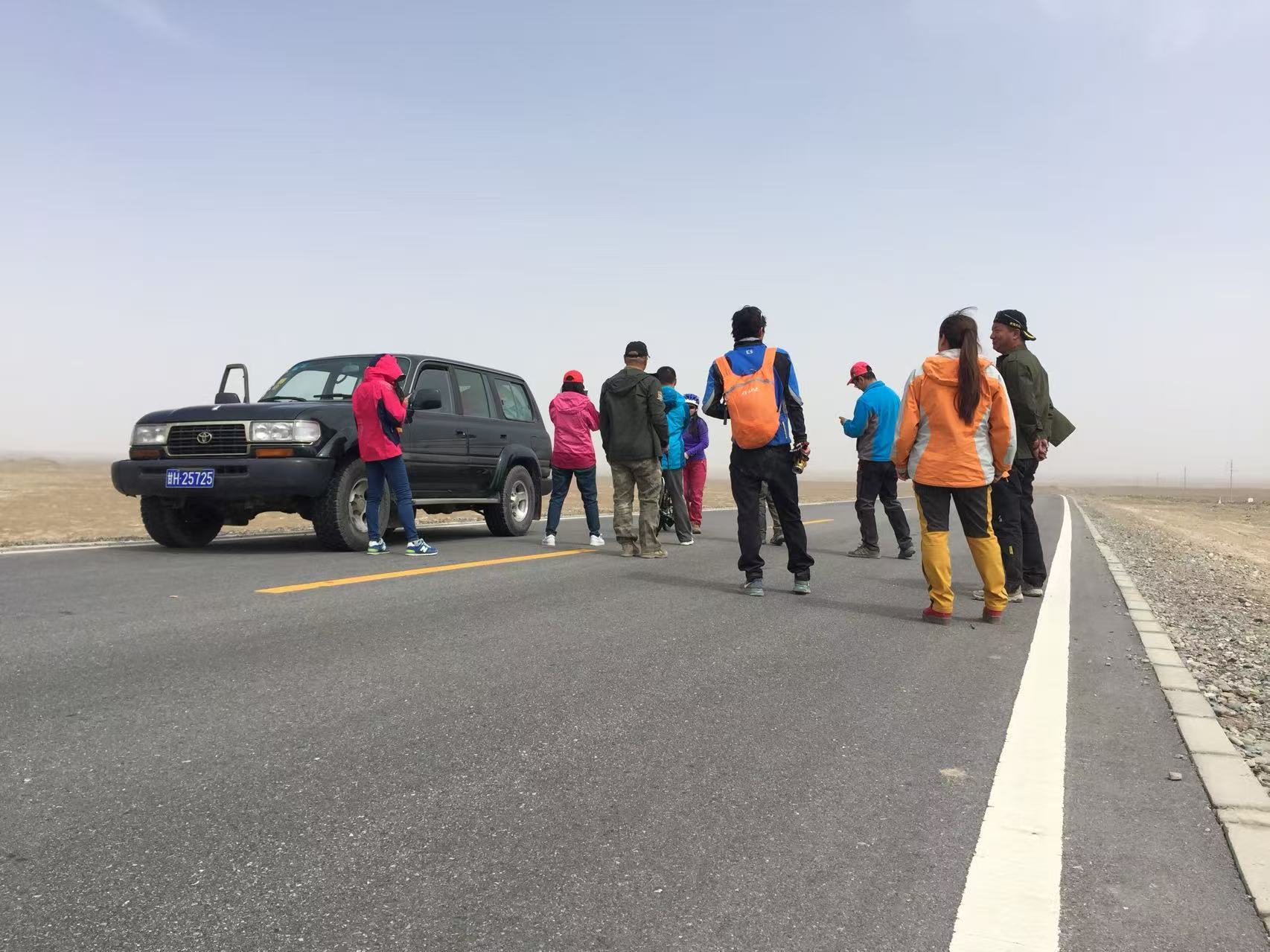
In my second year of university, I traveled alone to Qinghai. Along the road I met a group of older outdoor travelers who took me into an uninhabited valley to camp, pitched my tent, and handed me one of their only two lamb shanks — caring for a complete stranger as if I were their own child. That was the first crack in everything I had inherited about money.
In my early twenties, while carrying debt, I traveled solo to southern Thailand and Cambodia. Meeting people who owned very little yet carried unmistakable warmth and light in their eyes jolted something awake in me: there are forms of happiness that money in the world I knew could never purchase.
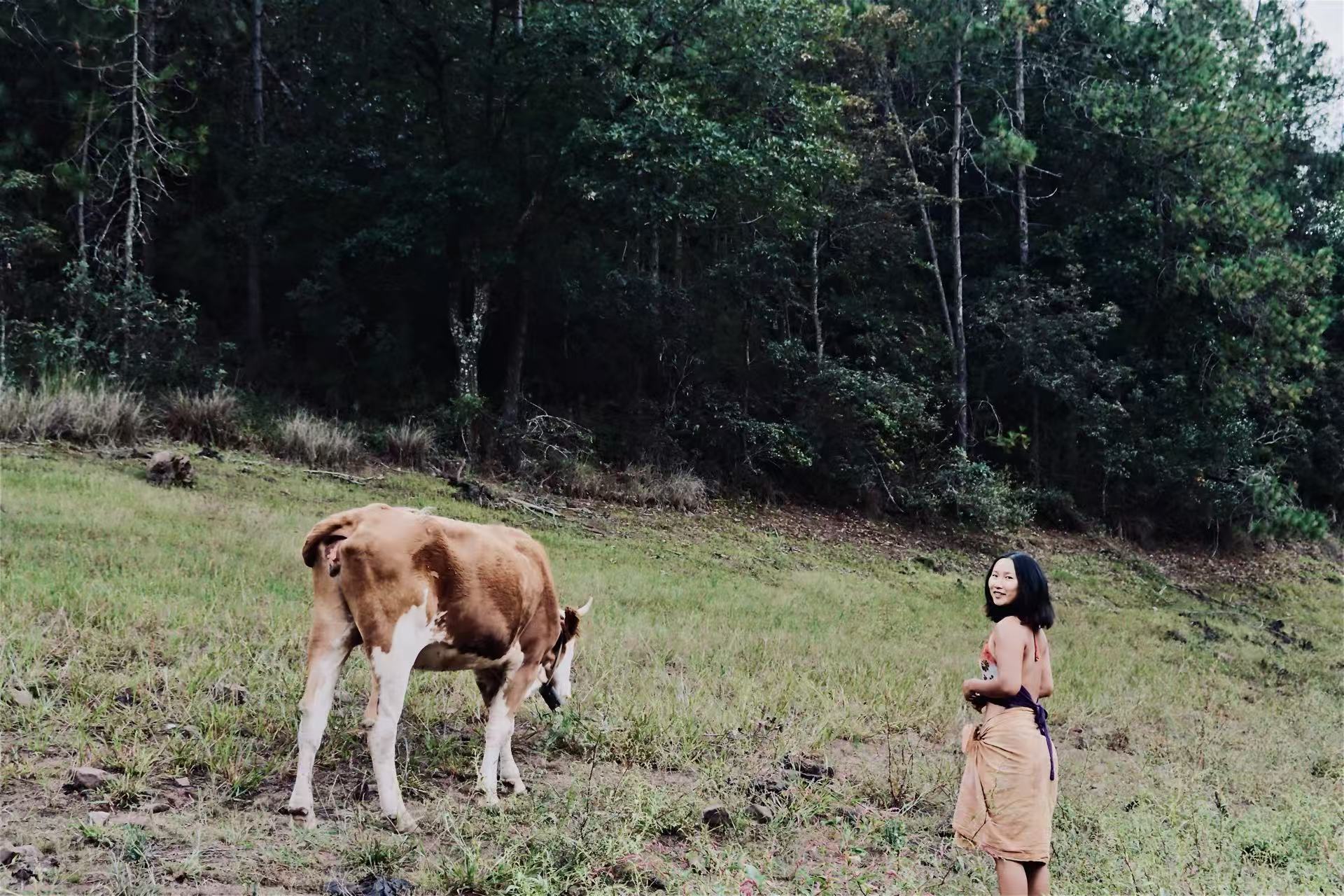
Three and a Half Years in Shaxi: Free Abundance
Moving from Shanghai’s relentless pace to the mountain valley of Shaxi in Yunnan washed my relationship with money clean.
In Shaxi, my home met the sky and earth directly. Walking a hundred meters into the forest opened every sense until tears came unannounced — an intoxication that felt completely clear-headed. Community was just as simple: friends brought whatever food they had to share, and local villagers pulled you inside for dinner with zero expectation of repayment.
So much of happiness has nothing to do with money. The light inside, love in someone’s eyes, an unguarded smile, the earth beneath your feet, clean mountain air — none of it costs a thing, and none of it can be bought.
European Grounding, and Impermanence in Nepal
Later, spending time in Europe and making a home in Zurich, I came to deeply appreciate how strong material foundations support everyday ease — well-made objects that last, clean food, calm infrastructure. If you choose to live gracefully in a city, earning well is honest, practical ground.
Early this year, I traveled to Nepal for a 12-day silent Vipassana retreat. Everything went sideways: a domestic flight delayed for hours with no explanation, and a rural meditation center that looked half-abandoned when the taxi stopped outside its chained gate. I had never stayed anywhere so bare in my life.
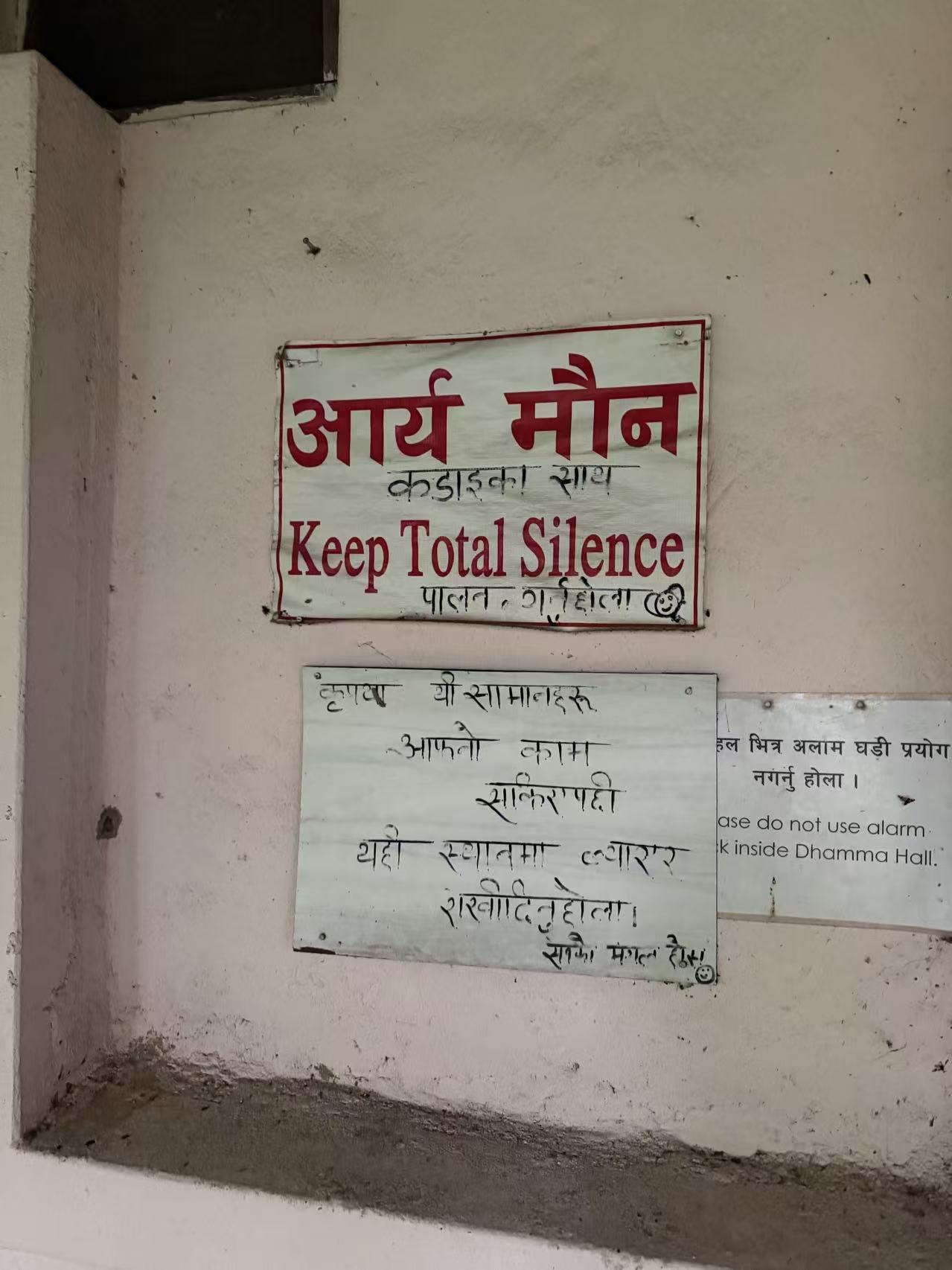
Yet looking back, the memory that rises first is sheer abundance. In a place of visible material scarcity, I witnessed a steady, unassuming generosity — people giving their time, care, and food without asking for anything in return. Once you receive a light like that, your heart widens, and passing it onward becomes the most natural gratitude.
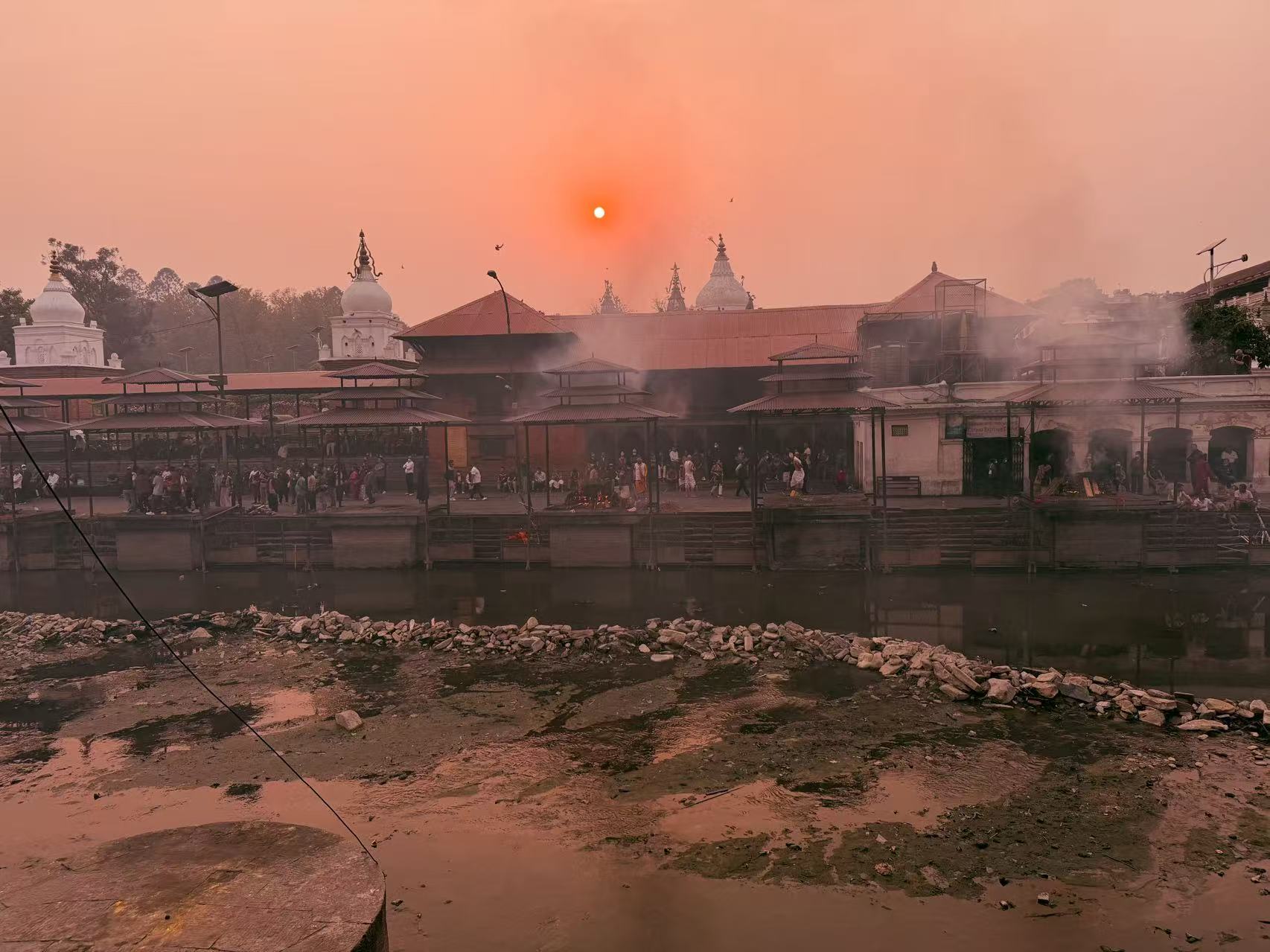
At Pashupatinath in Kathmandu, a limping local guide walked me through the cremation grounds while a pack of street dogs shadowed us protectively to keep monkeys away. After we parted, I spotted him again pouring basins of food for those dogs — their quiet father. As dusk fell, pyres burned on one bank while chanting rose from across the river: mourning and celebration, death and renewal, never separated.
If one word holds that Nepal journey, it is impermanence. And placed beside impermanence, money becomes wonderfully simple:
I love experience, I love beauty, and I respect what money makes possible. I am glad to work wholeheartedly, offer real value, and earn well — yet I refuse to be driven by fear, or to trade away my soul for it.
Money flows in and flows out. Guard the bright light inside your chest, and whenever you have enough to spare, share it freely.